

Changing an ODM drawing after sample approval: patterns and work in progress
A shape change can affect patterns, cut components and sewn products differently. Separate the physical states before deciding how an approved ODM design can change.
After approving a sample, you want taller ears on an ODM mascot drawing. Sending a new image into a group chat can leave pattern preparation, cutting and sewing working from different assumptions. Before switching versions, identify what is still uncut, what has been cut and what has already been sewn. Each group needs its own documented decision.
A change to the outline may also affect the assembly
Making an ear taller involves more than stretching a shape on screen. The responsible technical person needs to review the pattern, attachment position, connection to the head and assembled sample. This article does not establish dimensions, seam specifications or repair feasibility for a particular design; those require the actual files and sample.
Identify the current version, the proposed version and the specific difference. A request such as “increase ear height while retaining the facial design” narrows the question, but does not prove every other component can stay unchanged. The reviewer must determine which connected areas need another check.
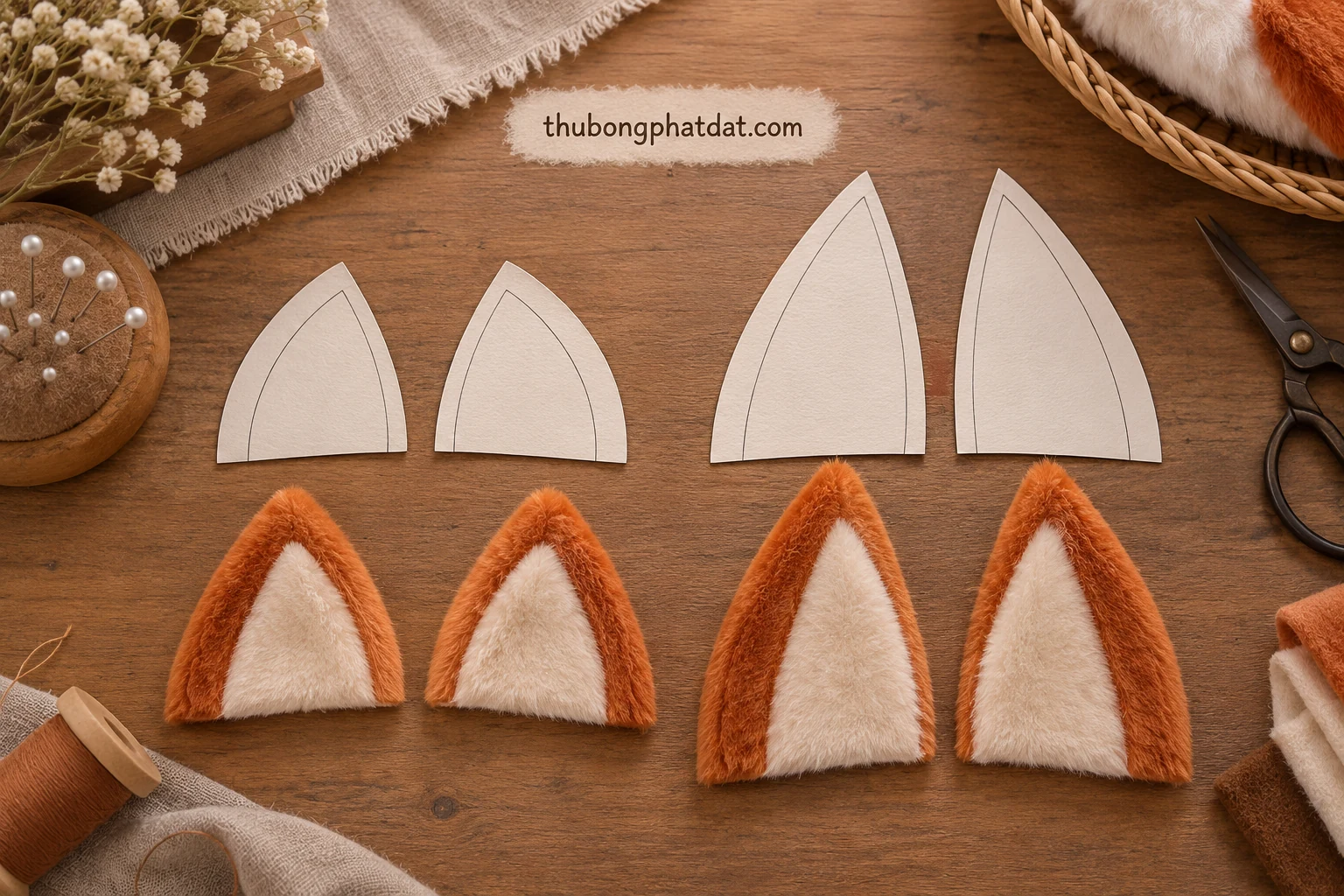
A different ear shape requires a review of the pattern and attachment area; this is an illustration.
Separate the order quantity by physical state
- Not cut: identify the materials and documents to be used if the new version is approved.
- Cut but not sewn: identify the pattern version and available components, then ask what may be reused, remade or tested.
- Sewn or finished: keep this group identifiable and ask for a specific option. Do not assume it can be unpicked and altered without affecting other areas.
An impact record should state the product/version, quantity in each state, affected components, proposed action and decision evidence. Count the groups at a common point in time. If goods later move from cutting to sewing, update their state rather than leaving the same units in both groups.
A decision for 120 units does not cover the other 80
Consider a hypothetical order of 200 units: 120 are uncut, 50 component sets were cut to the old version and 30 units are sewn. The total is 200. Following a proposed ear change, the 120 uncut units may be considered for a new pattern once the sample and scope are accepted. This does not mean the 50 cut sets or 30 sewn units have also changed versions.
Suppose a review confirms a reuse option for only 20 of the 50 cut sets. Identify those 20, the additional work and the evidence supporting acceptance; the other 30 remain undecided. Do not record all 50 as resolved merely because the group was inspected. The 30 sewn units also need a separate conclusion about retaining them, altering them or another genuinely agreed option.
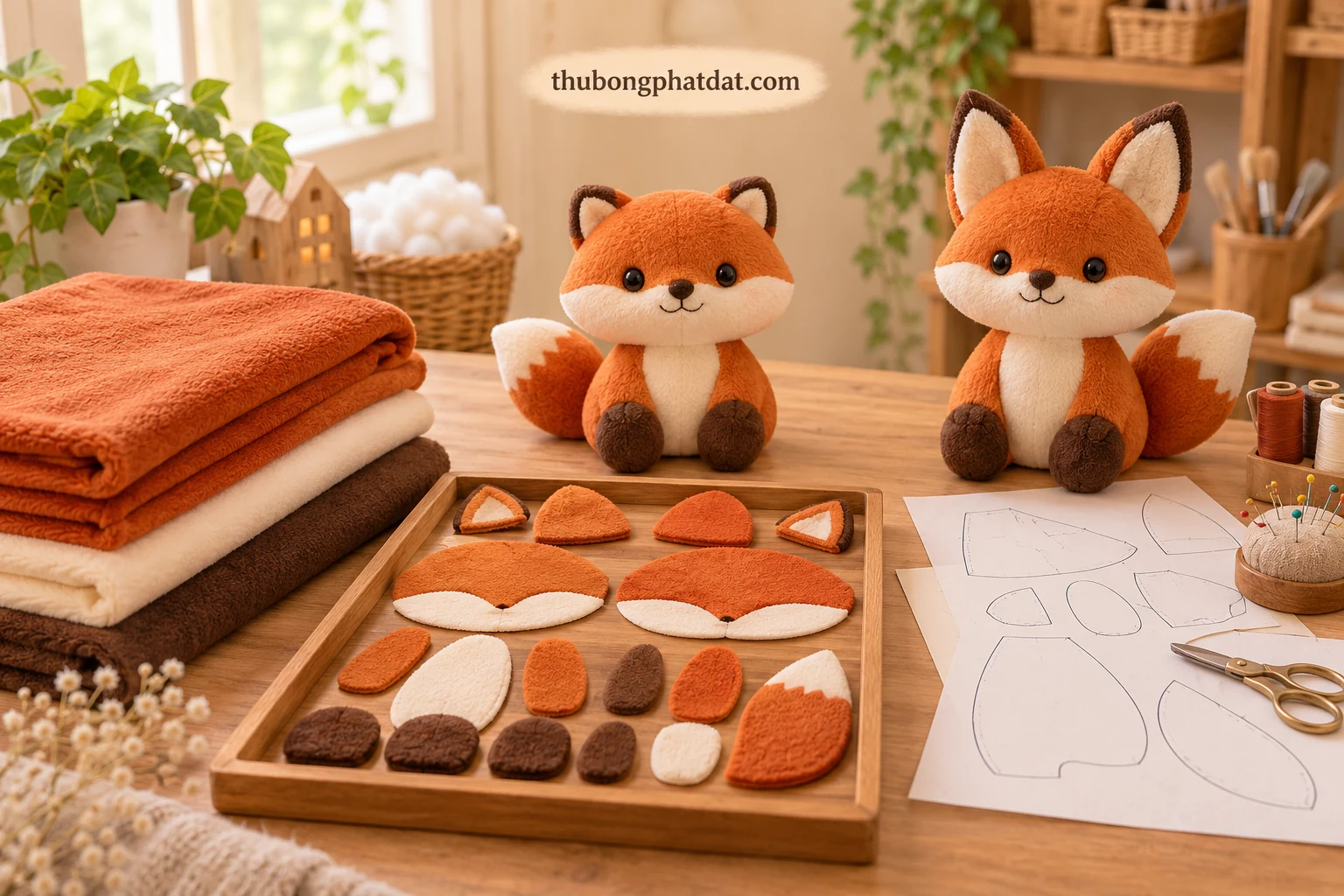
Identify each physical state before deciding on a change; the image does not represent the example quantities.
These quantities illustrate state-based decisions; they are not order quantities, allowances or reuse capabilities at PHAT DAT STUFFED TOYS FACTORY. Old components may enter a new configuration only when that exact combination has been accepted. Having enough pieces does not establish that they assemble into the correct product.
Link the decision to the exact combination and changeover point
If an existing body is combined with new ears, review a sample of that combination rather than approving the ear alone. Record what is reused, what changes and which technical points the responsible person has reviewed. Packaging or product images may also need attention when the outer shape changes; do not update them without communicating the change.
State which group may begin using the new version, which evidence supports acceptance, what remains on hold and who can answer the outstanding questions. Cost, unused materials, delivery dates and design usage rights require agreement for the actual situation; a version-change record does not create those terms by itself.
Send a change request the manufacturer can assess
Provide identifiable old and new drawings, the approved sample images, a clear description of the difference and the recently checked quantities by physical state. When discussing OEM and ODM cooperation with PHAT DAT STUFFED TOYS FACTORY, clarify design, sampling and production responsibilities before requesting implementation. This guide helps formulate questions and record decisions. Its images are illustrations, not company-approved patterns or an internal production procedure.