

Repeat OEM plush orders: Controlling fabric, colour and accessory changes
Compare proposed materials with the approved baseline, record affected components and approval scope, and keep unresolved changes separate before a repeat OEM order.
Repeating an OEM order under the same style code does not establish that fabric, colour and accessories remain unchanged. When a substitution is proposed, the buyer and plush manufacturer need to compare it with the approved reference, identify affected parts and record who can decide. A similar appearance or the same colour name is not approval for the whole order.
Images illustrate the comparison process. They are not approved samples, factory records or evidence of a real order.
Identify the baseline before describing the change
Identify the agreed physical sample or specification by code, revision and scope. Describe body fabric, clothing, embroidery or printing and accessories clearly enough for both sides to compare. A commercial colour name or a photograph from an earlier run does not fill gaps in the specification.
If the sample is missing or the final revision cannot be identified, record the missing evidence and agree how to confirm it again. Do not treat a recently submitted proposal as the old baseline simply because it is the newest file.
Give each change a location and scope
- Style code, original revision and affected component.
- The former material according to the available reference, and the proposed material.
- The reason for the proposal and information still unconfirmed.
- The sample or component to compare, and who determines the necessary checks.
- Status: proposed, under review, more information needed, or approved for a stated scope.
- The approver, actual confirmation date, and applicable styles, quantities or delivery batches.
Receiving a photograph or inspecting one swatch does not automatically mean approved for production. State what the decision accepts and what remains open. Do not enter an approval date or reviewer name without confirmation.
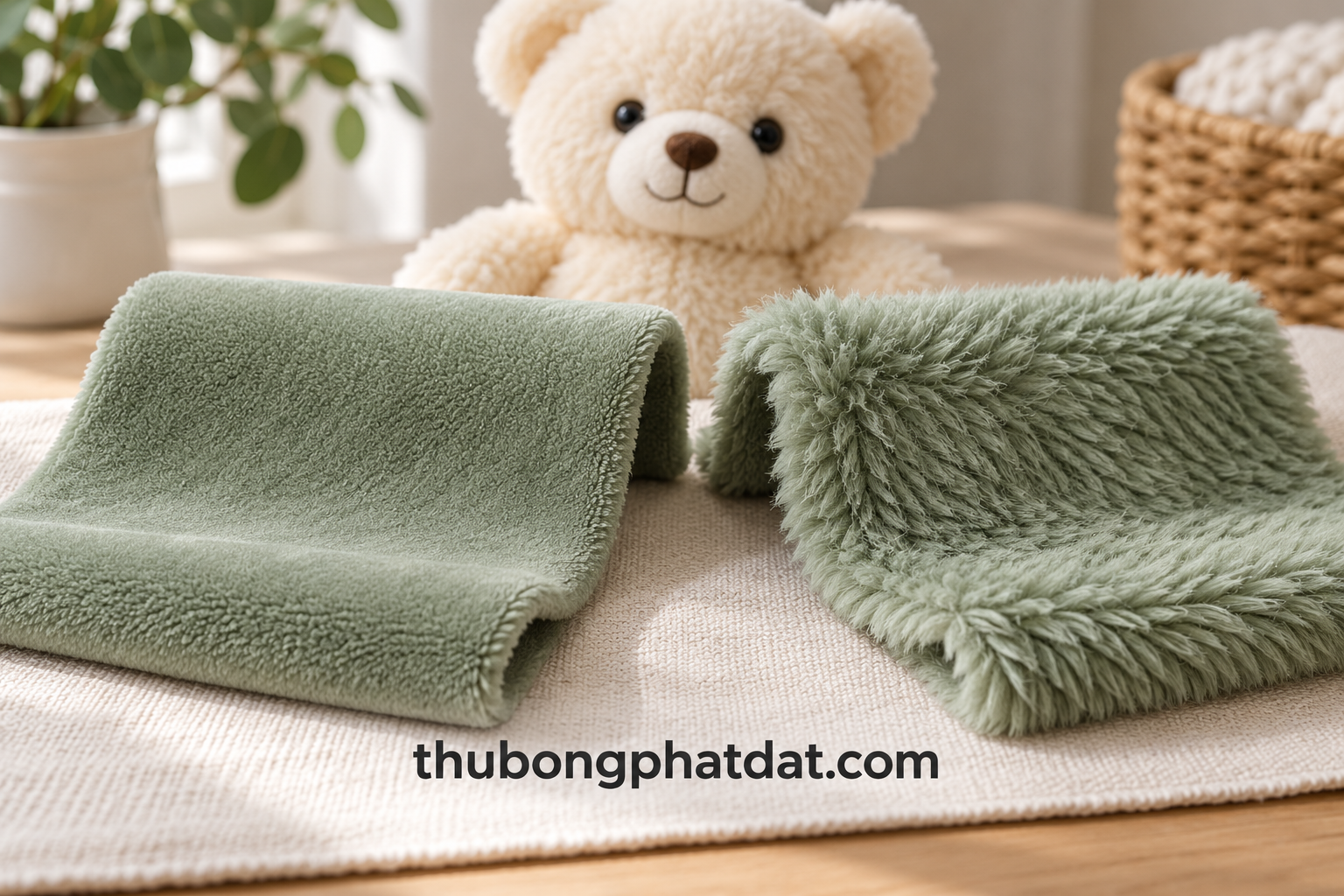
Fabrics in a similar colour family may need review against the surface requirements of the specific design.
Review affected parts in the intended configuration
Review colour, surface and coordination in the combination actually proposed. Changing shirt fabric may require another look at logo placement or fit on the body; changing an accessory calls for clarification of its attachment and related parts. The technical person responsible determines which samples, checks or documents are needed for the design and buyer requirements.
Do not assume results for another material or configuration establish that the new proposal is acceptable. Where destination-market requirements, quality documents or unsupported points are involved, identify who prepares and approves them. This guide does not establish test results, certification or equivalence for any specific material.
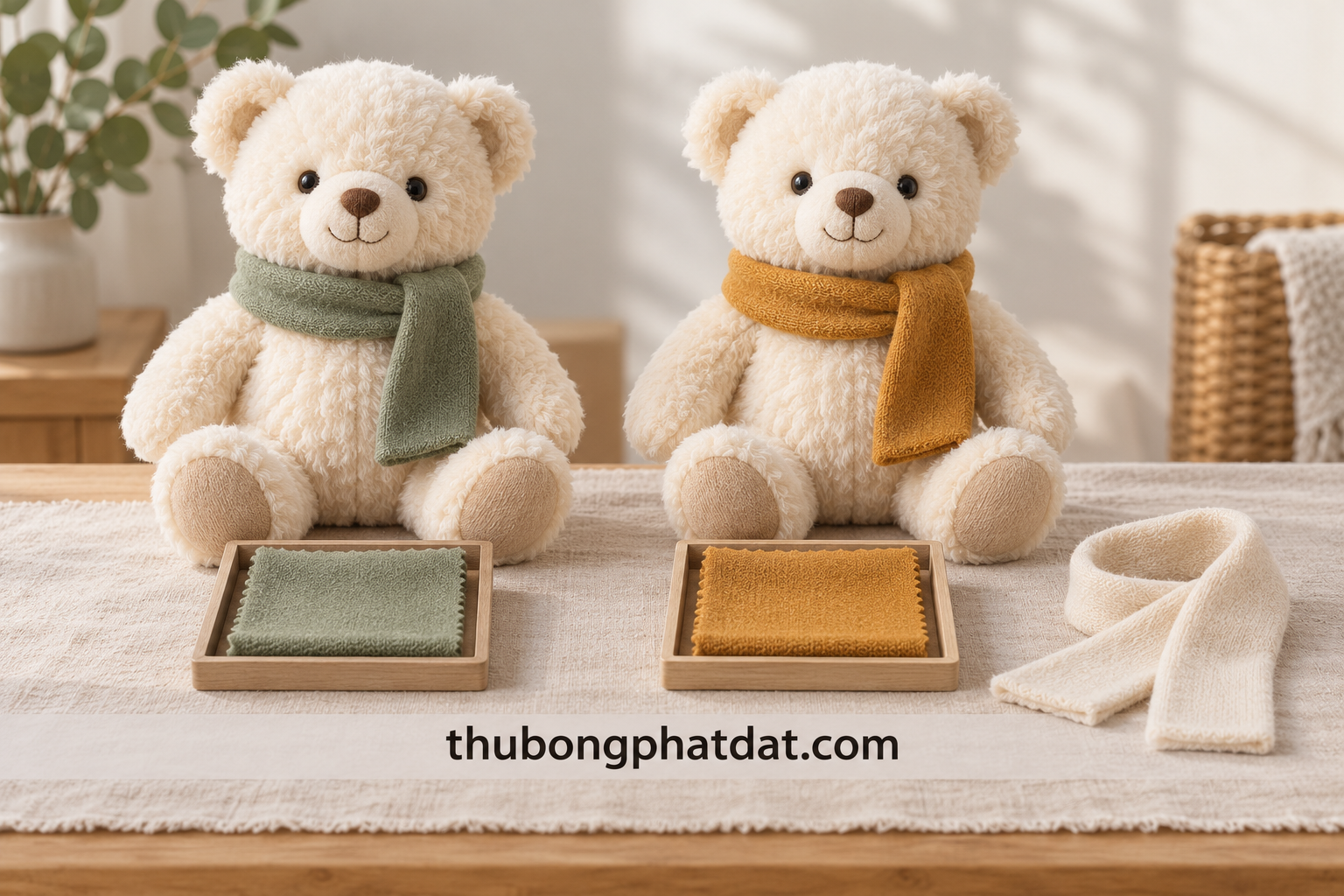
Keep material and accessory combinations separate by the version under review.
Worked example: Change one scarf in a two-style order
This example is entirely hypothetical: an order contains 120 units of style A and 80 of style B, totalling 200. The proposal concerns only the scarf fabric for A. The A body, other parts and style B are recorded separately as having no change proposed in this record; that statement does not itself establish their readiness for the repeat order.
A decision on the A scarf sample applies only as confirmed: the revision, material, reviewed checks and authorised scope. Do not apply it to the B scarf or all 200 units when those are outside that scope. The figures are not minimum quantities, a real order or Phat Dat approval policy.
If both old and new materials remain in use, identify each group with its corresponding revision. Include parts made before the decision in the impact record so an authorised person can decide their treatment; do not mix them into the revised batch automatically.
Confirm applicability before production use
Before applying the change, reconcile the final specification with the accepted sample, material codes, quantities or scope and outstanding points. A later colour or accessory change needs a new record. Do not assume an earlier approval includes every future adjustment. Keep the decision evidence so production and inspection use the same revision.
Phat Dat’s OEM and ODM collaboration guide helps define design, sampling and production responsibilities at the project stage. Bring the old reference and proposed change list when discussing a repeat order. This article explains how to prepare the brief; it does not describe an internal approval procedure or an automatic material-substitution commitment by the business.